

Study shows that germs thrive on aircraft surfaces
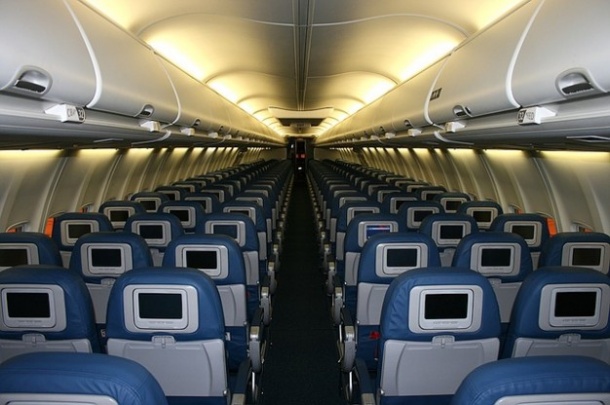
MRSA can live for up to seven days on aeroplane surfaces, according to a new study.
And at least one strain of E. coli can survive for up to four days on an aircraft armrest.
These were among the results of a study carried out by a microbiology professor at Alabama’s Auburn University. James Barbaree and his team recreated the interior of an aeroplane incorporating the humidity levels and types of surfaces likely to be encountered. The study revealed that millions of pathogens are likely to be present on aircraft.
Barbaree’s team tested the presence of germs on six surfaces: an armrest, plastic tray table, window shade, toilet handle, seat-back pocket and seat leather. MRSA was found to survive for the longest periods in the seat-back pocket.
The scientists also tested the transmissibility of organisms and discovered that germs were easily spread via non-porous surfaces such as tray tables. Potential for cross-contamination on aircraft was significant, according to Barbaree.
“A friend of mine was flying recently and another passenger was changing a baby on the tray table,” he said.
He adds that airline employees have little time to deep clean aeroplanes between trips, and that travellers should be aware that germs could be hitching a ride alongside passengers.
“People should try to be as clean as possible and wash their hands and faces during travel to prevent the spread of dangerous germs,” Barbaree said. “And we need to put pressure on airlines to clean up as much as possible.”

How to Prevent Cross-Contamination in a Commercial Kitchen: A Professional Guide
A single lapse in hygiene isn't just a mistake; it's a direct threat to your business's survival and your customers' health. ...

Developing a Robust Workplace Hand Hygiene Policy in the UK: A 2026 Guide
In 2025, minor illnesses and infectious diseases accounted for nearly half of the 148.8 million working days lost across the ...